
Review · ISAFJORDUR
Ísafjörður: Westfjords Whale Watching Boat Tour
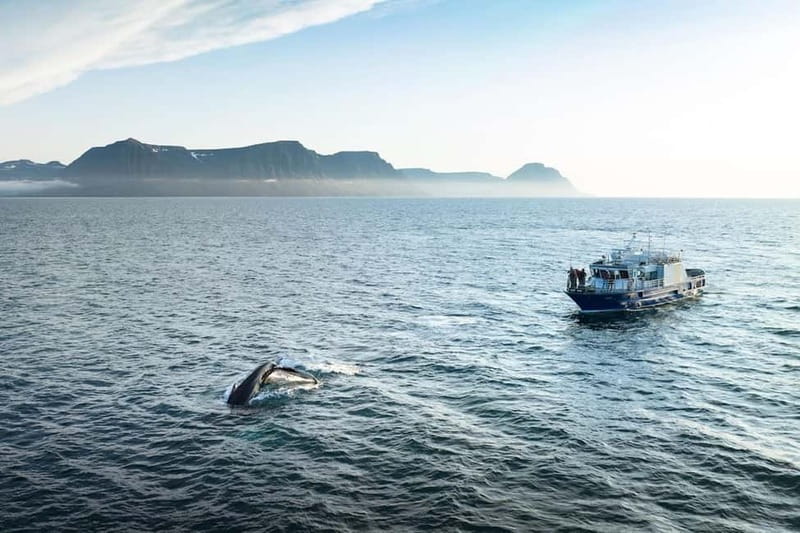
Whales can turn a quiet fjord into a theater. This three-hour boat tour from Ísafjörður pairs close looks at humpback whales with broad views of Westfjords mountains and water. I like the strong focus on ethical wildlife watching, and I like that guides such as Tom can identify individual whales and explain their behavior. The main consideration is simple: the boat can feel cold and rough, and sightings are never guaranteed.
The experience costs $115 per person, which is fair when the boat finds several whales and you get a full three hours on the water. It is less appealing for anyone prone to seasickness, especially since the boat may pause or drift while waiting for whales to surface. Bring serious warm layers, even on a sunny July day.
Key points to know before you go
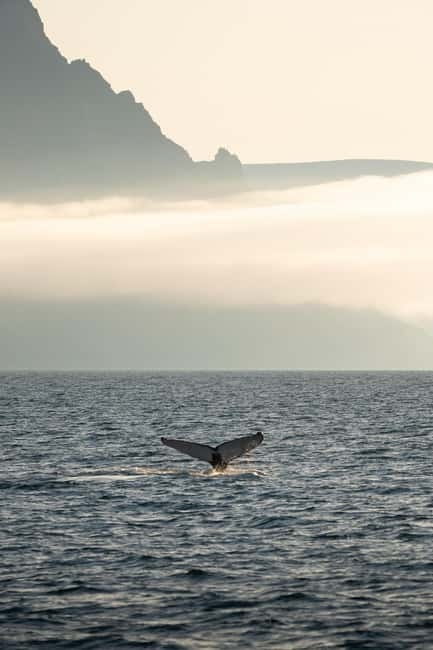
- Humpback whales are the main event: Recent trips have seen groups ranging from two or three whales to about 30.
- Tom is a major strength: He is described as a marine biologist who can explain whale behavior, names, markings, and individual histories.
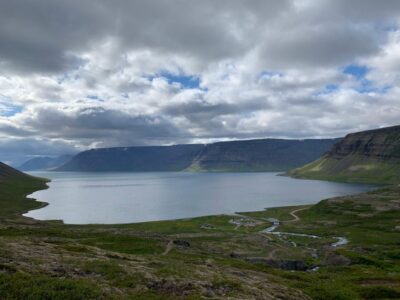
- The fjord scenery is part of the tour: You get wide views of steep, rugged Westfjords coastline while leaving Ísafjörður behind.
- Wildlife can include more than humpbacks: Minke whales, orcas, dolphins, puffins, and other seabirds are possible.
- Dress warmer than you think: Even bright summer weather can feel bitterly cold on open water.
- The tour is designed around respect for whales: The crew aims to watch without disturbing the animals.
Leaving Ísafjörður harbor for the Westfjords
The trip begins in Ísafjörður, a small harbor town set among steep mountains and long fjords. The departure point is convenient for cruise passengers, with one recent passenger noting that it was close to the cruise dock. That matters if you are visiting on a ship and need to keep a careful eye on your return time.
Once the boat leaves the harbor, the outing has two jobs. First, it gets you into the whale habitat. Second, it gives you a moving view of the Westfjords, where the mountains press close to the water and the coastline feels remote even near town.
I like this gradual start. You do not go straight into a featureless stretch of ocean. The fjord gives you time to settle in, listen to the guide, and learn what to watch for. Seabirds may wheel overhead, and the crew uses signs such as bird activity and whale blows to help locate marine life.
The boat has indoor seating and toilets, useful features in Iceland’s changeable weather. Still, the best views usually come from being alert and ready to step outside. Keep your camera close, but do not spend the whole outing staring at a screen. A whale can surface, breathe, and disappear before you have framed the shot.
More Fjord Cruises in Iceland:
- From Bergen: The Original Fjord Cruise to Mostraumen
★ 4.7 · 8,440 reviews - Stavanger: Electric Fjord Cruise to Lysefjord & Preikestolen
★ 4.6 · 8,385 reviews - Oslo: Oslo Fjord Sightseeing Cruise by Sailing Ship
★ 4.5 · 5,790 reviews
Three hours among the humpbacks
The advertised duration is three hours, long enough to give the crew time to search and then remain with whales when the action begins. Some outings have been described as closer to two hours or slightly shorter than expected, so you should allow flexibility if the timing matters to a cruise schedule.
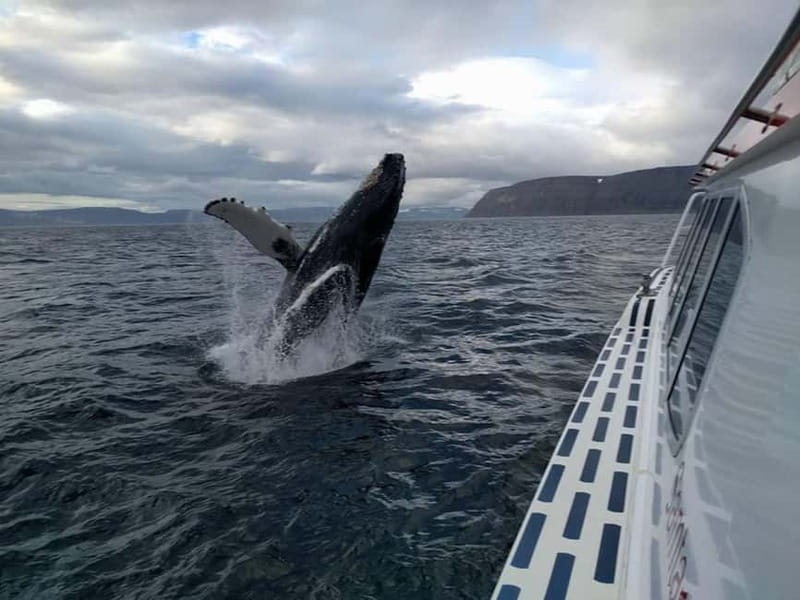
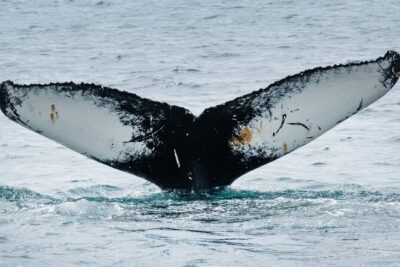
The main sight is the humpback whale. These animals do not perform on command. You may see a dark back roll through the water, a cloud of breath, or a tail lifting before the whale slips below the surface. A breach is possible, but it is not a reasonable expectation for every trip.
One passenger made an especially useful point: humpbacks often remain mostly in the water. That is normal whale watching, not a disappointing version of it. The reward comes from watching a whale’s rhythm, recognizing the same animal after it resurfaces, and seeing how it moves through the fjord.
The best outings have produced remarkable numbers. Trips have reported six or seven whales, around ten humpbacks, several separate groups, and even one gathering of about 30. Other departures have seen only two or three. That range tells you exactly how to set your expectations: the tour has a strong record, but nature still controls the schedule.
Some whales have approached quite close to the boat. Guides have also pointed out animals by name and explained how to tell them apart. That personal detail changes the experience from simply counting whale sightings to noticing individual animals and their habits.
Tom, the marine biologist guide
The guide is one of the clearest strengths of this outing. Tom is repeatedly praised for his enthusiasm, friendly manner, and ability to explain marine life without turning the trip into a lecture. He has worked as a marine biologist and is described as someone who can speak with people throughout the boat, including those at the back.
That last point matters. On a whale boat, sight lines are not equal. A guide who tells everyone where to look and keeps explaining what is happening helps prevent the familiar problem of one person seeing the whale while everyone else sees only a finger pointing at empty water.
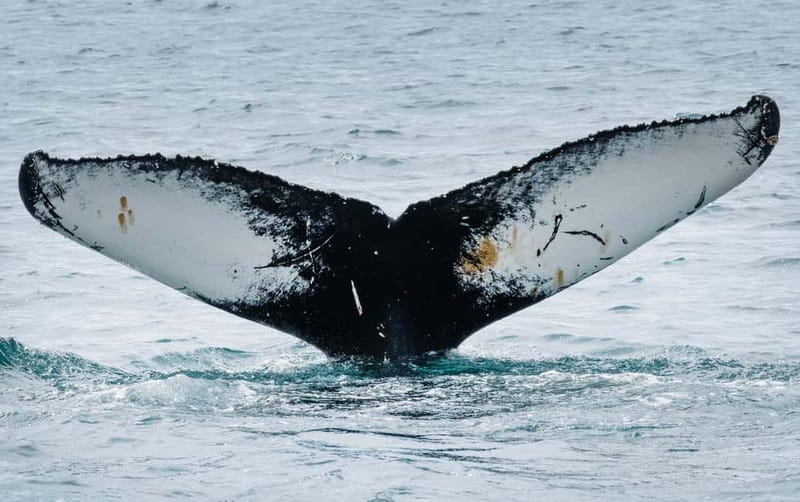
Tom also appears to bring a personal touch. He can identify certain humpbacks, explain how their markings differ, and share details about their past behavior. On one outing, he reportedly knew the names of the whales being watched. That kind of local familiarity gives the animals a sense of identity.
The captain adds another important layer. The crew is praised for handling choppy conditions safely and for giving the whales space. One family even described the captain letting a young child sit in the captain’s chair and steer briefly, a memorable touch for children, though this should not be treated as a guaranteed part of every trip.
Ethical whale watching in practice
The strongest part of the experience is not only how many whales you see, but how the crew approaches them. Several accounts describe the captain and guide as careful around the animals, with an emphasis on observing rather than chasing or crowding them.
That approach can mean a little patience. The boat may stop, drift, or wait while a whale moves through the area. If you want a nonstop thrill ride, this may feel slow at times. If you want to watch wild animals on their terms, the waiting makes sense.
The guide may point out a whale’s blow, body shape, tail pattern, and movement. You can learn the difference between an animal traveling, feeding, and preparing to submerge. Those small observations are what make a good whale tour worthwhile after the first excitement fades.
The company also connects whale watching with marine research and management. You are not simply being taken to a scenic spot for photographs. The commentary helps explain the wider marine environment and why responsible boat behavior matters.
More Whale Watching Trips in Iceland:
- Westfjords Whale Watching
★ 5.0 · 104 reviews - RIB boat express: Whales, Eyjafjord and Akureyri
★ 5.0 · 12 reviews - Kenai Fjords Orca Quest Cruise
★ 5.0 · 137 reviews - Alta: Altafjord Whale Watching in a Heated Boat
★ 5.0 · 80 reviews
Minke whales, orcas, dolphins, and puffins
Humpbacks are the expected star, but the water can offer more. The tour description lists minke whales, orcas, and dolphins as possible sightings. Puffins and seabirds have also appeared on recent trips.
Do not book this tour expecting a checklist. An orca sighting would be special, but it is not promised. The same is true of dolphins and minke whales. The practical approach is to treat every additional species as a bonus and judge the tour mainly by its chance to find humpbacks.
Puffins add a nice change of scale. After watching a large whale surface, spotting small seabirds on the water gives you another way to read the fjord’s wildlife. The guide’s comments about the marine environment help connect these animals rather than treating each sighting as a separate event.
The cold, the spray, and the motion
Iceland’s summer weather can fool you at the dock. A sunny day in July may look mild, but the boat’s speed, wind, and exposure make the water feel much colder. One passenger specifically warned that it was very cold even on a bright day.
Wear warm clothing in layers, plus weather-appropriate outerwear. Comfortable shoes are important, and a camera should be protected from spray. The supplied advice also recommends a waterproof camera or waterproof protection for your equipment.
The boat has an indoor area, which is welcome when rain moves in. Several outings continued successfully through rain, and the crew kept the experience worthwhile despite poor conditions. Still, you should expect the possibility of standing outside in wind and cold if you want the clearest view.
Seasickness is the main physical drawback. The motion may be manageable while the boat is moving but more noticeable when it slows down and waits for whales. If you are prone to seasickness, this is the one experience on the itinerary that deserves extra caution. The tour is specifically not suitable for people who suffer badly from it.
What the $115 price buys you
At $115, this is not a bargain-basement harbor ride, but it can offer good value. You get a three-hour whale watching trip, a live English-speaking guide, an onboard toilet, indoor space, and access to an area where the crew has found resident humpbacks.
The value improves when several groups of whales appear and the boat can spend time observing them. Recent trips have included close encounters, large groups, and repeated surfacing over much of the outing. In those cases, the price compares well with the time on the water and the quality of the interpretation.
The value is less certain if the trip is shortened or the sea is rough. One passenger felt the outing was slightly shorter than expected, while another described a two-hour trip as just right. That difference suggests you should leave some room in your schedule and avoid booking a tight connection afterward.
You can cancel up to 24 hours ahead for a full refund, and the reserve-now, pay-later option keeps your plans flexible. Those terms are helpful in Iceland, where weather and cruise schedules can change, but they do not remove the need to check your departure time carefully.
Who will enjoy this tour most
I would choose this for anyone who wants more than a quick photograph of a whale. The marine commentary, individual whale identification, and ethical approach make it a good fit for adults, families, photographers, and people who enjoy natural history.
Children may love the sense of discovery, especially if the captain and crew involve them. But cold, wind, rain, and boat motion can wear young passengers down, so warm clothing is essential.
This is also a strong choice for cruise passengers in Ísafjörður because the departure point is near the dock and the crew has shown awareness of ship schedules. Still, you should confirm your timing and avoid treating the advertised three hours as the only time needed. Allow time to reach the boat and return to your ship.
I would skip it if you dislike cold open-water conditions or regularly become seasick. I would also skip it if you need guaranteed dramatic behavior such as breaching. Whale watching offers real wildlife, not a scheduled show.
Should you book the Ísafjörður whale tour?
Yes, if seeing humpback whales in a rugged fjord setting is high on your Iceland list. The combination of frequent humpback sightings, strong guiding from Tom and the crew, useful marine information, and respectful wildlife practices gives this tour real substance.
Book it with realistic expectations. You may see a whale’s back and blow rather than a spectacular leap, and the weather may be wet or rough. Bring more clothing than you think you need, protect your camera, and keep your schedule flexible.
For the best chance of feeling the $115 was well spent, choose this tour if you can accept the uncertainty of nature and appreciate the whole outing: the fjord, seabirds, cold air, patient searching, and the sudden appearance of a humpback close to the boat.
FAQ
Where does the whale watching tour depart from?
The tour departs from Ísafjörður harbor in the Westfjords of Iceland. The departure point is described as being close to where cruise ships dock.
How long does the tour last?
The advertised duration is three hours. Some individual outings have been described as around two hours or slightly shorter than expected, so allow flexibility in your schedule.
How much does the tour cost?
The listed price is $115 per person.
What animals might I see?
Humpback whales are the main sighting. You might also see minke whales, orcas, dolphins, puffins, and other seabirds.
Is seeing a humpback whale guaranteed?
No wildlife sighting can be guaranteed. The operator reported a 100 percent chance of seeing humpback whales in 2023, but conditions and animal behavior can change from year to year.
What language is the tour conducted in?
The live tour guide speaks English.
What should I bring?
Bring comfortable shoes, warm clothing, weather-appropriate layers, and a camera. Waterproof protection for your camera is also recommended.
Is the tour suitable for people prone to seasickness?
No. The activity is specifically not recommended for people who are prone to seasickness.
Just added around Iceland
- Hvalfjordur & Hvammsvik Hot Springs Private Tour★ 5.0 · 2 reviews
- Private wakeboarding or waterskiing trip in Westfjords★ 5.0 · 5 reviews
- Isafjordur and Westfjords Private Tour★ 5.0 · 27 reviews
- 4 Hour Isafjordur and Dynjandi Tour With Photo Stops★ 5.0 · 27 reviews
- Isafjordur and Westfjords Private Day Tour★ 5.0 · 6 reviews
- Guided kayak tour in Siglufjörður / Siglufjordur.★ 5.0 · 24 reviews
- Private: Guided kayak tour in Siglufjörður / Siglufjordur.★ 5.0 · 9 reviews
- RIB boat express: Whales, Eyjafjord and Akureyri★ 5.0 · 12 reviews
Isafjordur Fjord Tours, compared.

Dynjandi Waterfall Tour and Icelandic Farm Visit
Read our review →
Small Group Tour Ísafjordur Dynjandi Waterfall & Secret Stop
Read our review →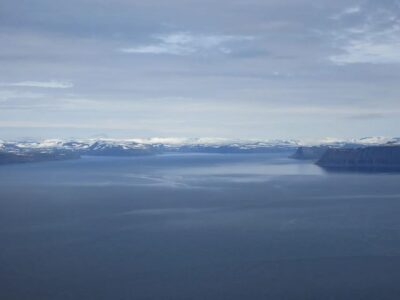

4 Hour Isafjordur and Dynjandi Tour With Photo Stops
Read our review →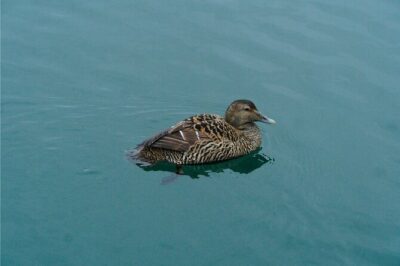
Browse the lists this tour appears in